



Categories
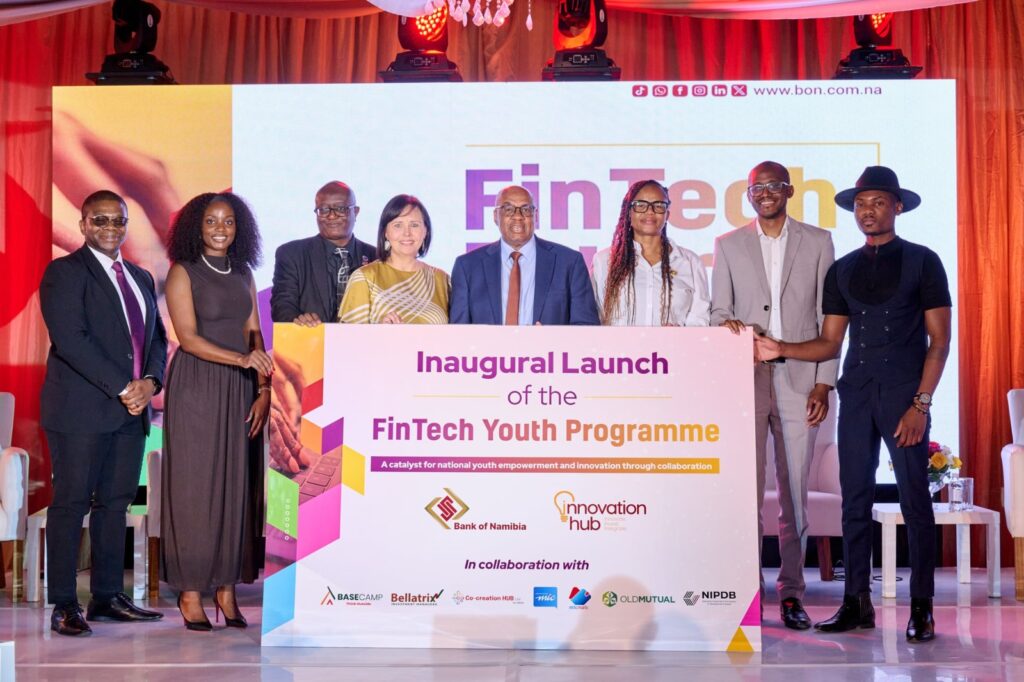
Bank of Namibia Champions Youth Innovation Through Groundbreaking Fintech Program
An Interview with Tuna Brock, Principal Innovation Hub Officer
The Commerce and Industry Review
The future of Namibian finance is being coded, designed, and pitched by its youth. Recognising this potential, the Bank of Namibia (BoN) is making a strategic investment in the nation’s most valuable asset: its young innovators.
Through its recently launched Fintech Youth Program, the central bank aims to empower a new generation with the skills, mentorship, and resources to become active creators in the digital financial ecosystem.
In a discussion with The Commerce and Industry Review, Tuna Brock, the Principal Innovation Hub Officer at the Bank of Namibia, shares the motivation, structure, and ambitious vision behind this initiative, and how it aligns with the country’s broader goals of financial inclusion and digital transformation.
“Fintech, in simple terms, is the use of technology to deliver financial services,” Brock explains. “It could be a product, an application, a business model, or a process. The goal is to make financial services more accessible, efficient, and affordable.”
The program was born from a critical observation at the Bank’s own Regulatory Sandbox, a platform for testing new financial technologies.
“We noticed that a few applications were coming through,” Brock says. “Upon closer look, we realised that many Fintech entrepreneurs weren’t ready yet; they needed support much earlier in their journey.”
This insight sparked the creation of a more holistic program. “We see the youth as more than just consumers; they can be creators, employers, and drivers of innovation in a digital economy,” Brock affirms.
Scheduled to officially begin in 2026, the program is currently finalising collaborations with a diverse network of partners, including financial institutions, government agencies, academia, and telecoms. Partners like MTC, Old Mutual Namibia, and ProCreation Hub will provide everything from entrepreneurial training to technical platforms.
“Fintech development requires a range of skills and support systems, and that’s exactly what this program aims to provide,” Brock notes.

An Interview with Tuna Brock, Principal Innovation Hub Officer
The Commerce and Industry Review
The future of Namibian finance is being coded, designed, and pitched by its youth. Recognising this potential, the Bank of Namibia (BoN) is making a strategic investment in the nation’s most valuable asset: its young innovators.
Through its recently launched Fintech Youth Program, the central bank aims to empower a new generation with the skills, mentorship, and resources to become active creators in the digital financial ecosystem.
In a discussion with The Commerce and Industry Review, Tuna Brock, the Principal Innovation Hub Officer at the Bank of Namibia, shares the motivation, structure, and ambitious vision behind this initiative, and how it aligns with the country’s broader goals of financial inclusion and digital transformation.
“Fintech, in simple terms, is the use of technology to deliver financial services,” Brock explains. “It could be a product, an application, a business model, or a process. The goal is to make financial services more accessible, efficient, and affordable.”
The program was born from a critical observation at the Bank’s own Regulatory Sandbox, a platform for testing new financial technologies.
“We noticed that a few applications were coming through,” Brock says. “Upon closer look, we realised that many Fintech entrepreneurs weren’t ready yet; they needed support much earlier in their journey.”
This insight sparked the creation of a more holistic program. “We see the youth as more than just consumers; they can be creators, employers, and drivers of innovation in a digital economy,” Brock affirms.
Scheduled to officially begin in 2026, the program is currently finalising collaborations with a diverse network of partners, including financial institutions, government agencies, academia, and telecoms. Partners like MTC, Old Mutual Namibia, and ProCreation Hub will provide everything from entrepreneurial training to technical platforms.
“Fintech development requires a range of skills and support systems, and that’s exactly what this program aims to provide,” Brock notes.